


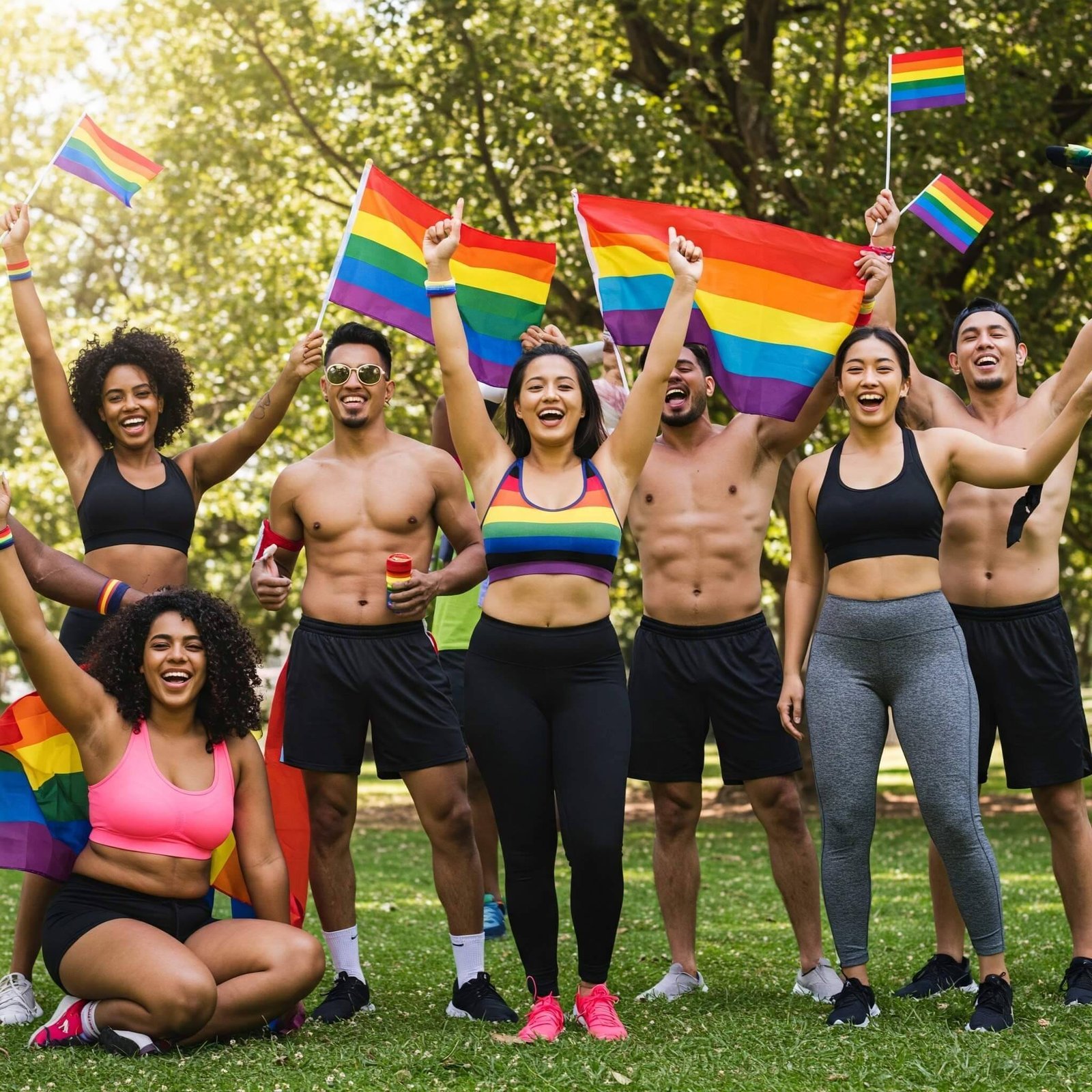
Staying physically fit as an LGBTQ+ individual is about more than just exercise—it’s about embracing your identity, building confidence, and fostering a healthy lifestyle that aligns with your unique needs. This guide offers actionable tips, inclusive strategies, and community-focused insights to help you thrive on your fitness journey. Whether you’re a beginner or a seasoned athlete, this SEO-optimized blog will empower you to prioritize physical fitness in a way that feels authentic and sustainable.
Why Staying Physically Fit Matters for LGBTQ+ Individuals
Physical fitness is a powerful tool for self-expression and resilience, especially for LGBTQ+ individuals who may face unique challenges like discrimination or body dysphoria. Regular exercise can boost mental health, reduce stress, and build a sense of community. According to a 2023 study by the Trevor Project, 60% of LGBTQ+ youth reported improved mental health through physical activity. By staying physically fit, you’re investing in both your body and mind.
Finding Inclusive Fitness Spaces
One of the biggest hurdles to staying physically fit as an LGBTQ+ individual is finding safe, welcoming environments. Not all gyms or fitness classes are queer-friendly, but there are ways to identify inclusive spaces.
How to Spot Queer-Friendly Gyms
- Check for Diversity Policies: Look for gyms with explicit inclusivity statements or non-discrimination policies.
- Read Reviews: Platforms like Yelp or Google Reviews often highlight experiences from LGBTQ+ members.
- Ask About Gender-Neutral Facilities: Many inclusive gyms offer gender-neutral locker rooms or bathrooms.
- Explore Community Feedback: Check X posts or forums for recommendations on queer-friendly fitness centers.
Real-World Example: OutFit, a queer-focused fitness group in Los Angeles, hosts inclusive workout sessions that prioritize community and acceptance. Their events are a great example of how fitness can be both fun and affirming.
Outbound Link: The Trevor Project’s Guide to Mental Health and Fitness
Tailoring Workouts to Your Needs
Staying physically fit as an LGBTQ+ individual means designing workouts that respect your body and identity. Whether you’re transgender, non-binary, or navigating body dysphoria, here are strategies to make fitness feel empowering.
Workout Tips for All Identities
- Start Small: Begin with low-impact activities like yoga or walking to build confidence.
- Focus on Functional Fitness: Exercises like squats or push-ups improve strength without requiring a gym.
- Incorporate Joyful Movement: Dance, hiking, or rollerblading can make fitness fun and sustainable.
- Work with Queer Trainers: Trainers who understand LGBTQ+ experiences can tailor routines to your goals.

Outbound Link: GLAAD’s Resources for Transgender Fitness
Mental Health and Staying Physically Fit
Physical fitness isn’t just about the body—it’s deeply tied to mental well-being. For LGBTQ+ individuals, exercise can be a lifeline for managing stress, anxiety, or dysphoria.
Mind-Body Connection in Queer Fitness
- Mindfulness Practices: Yoga or meditation can help you stay grounded while staying physically fit.
- Community Workouts: Group classes foster connection, reducing feelings of isolation.
- Set Realistic Goals: Celebrate small wins to maintain motivation without pressure.
Data Insight: A 2024 survey by OutSports found that 75% of LGBTQ+ athletes felt more confident after joining inclusive fitness programs.
Outbound Link: OutSports’ Guide to Queer Fitness Communities
Nutrition Tips for Staying Physically Fit
A balanced diet complements your fitness routine. For LGBTQ+ individuals, nutrition can also play a role in managing hormone therapy or body composition goals.
Inclusive Nutrition Strategies
- Prioritize Protein: Support muscle growth with plant-based or lean protein sources.
- Stay Hydrated: Aim for 8-10 glasses of water daily to fuel your workouts.
- Consult Experts: Work with dietitians familiar with LGBTQ+ health needs, especially for trans individuals.

Building a Supportive Fitness Community
Staying physically fit as an LGBTQ+ individual is easier with a supportive community. Connecting with others who share your identity can make fitness feel less intimidating and more rewarding.
Ways to Connect
- Join LGBTQ+ Fitness Groups: Look for local or virtual groups like Queer Fit or Out to Climb.
- Engage Online: Follow LGBTQ+ fitness influencers on X for inspiration and tips.
- Attend Pride Events: Many Pride festivals include fitness challenges or fun runs.