


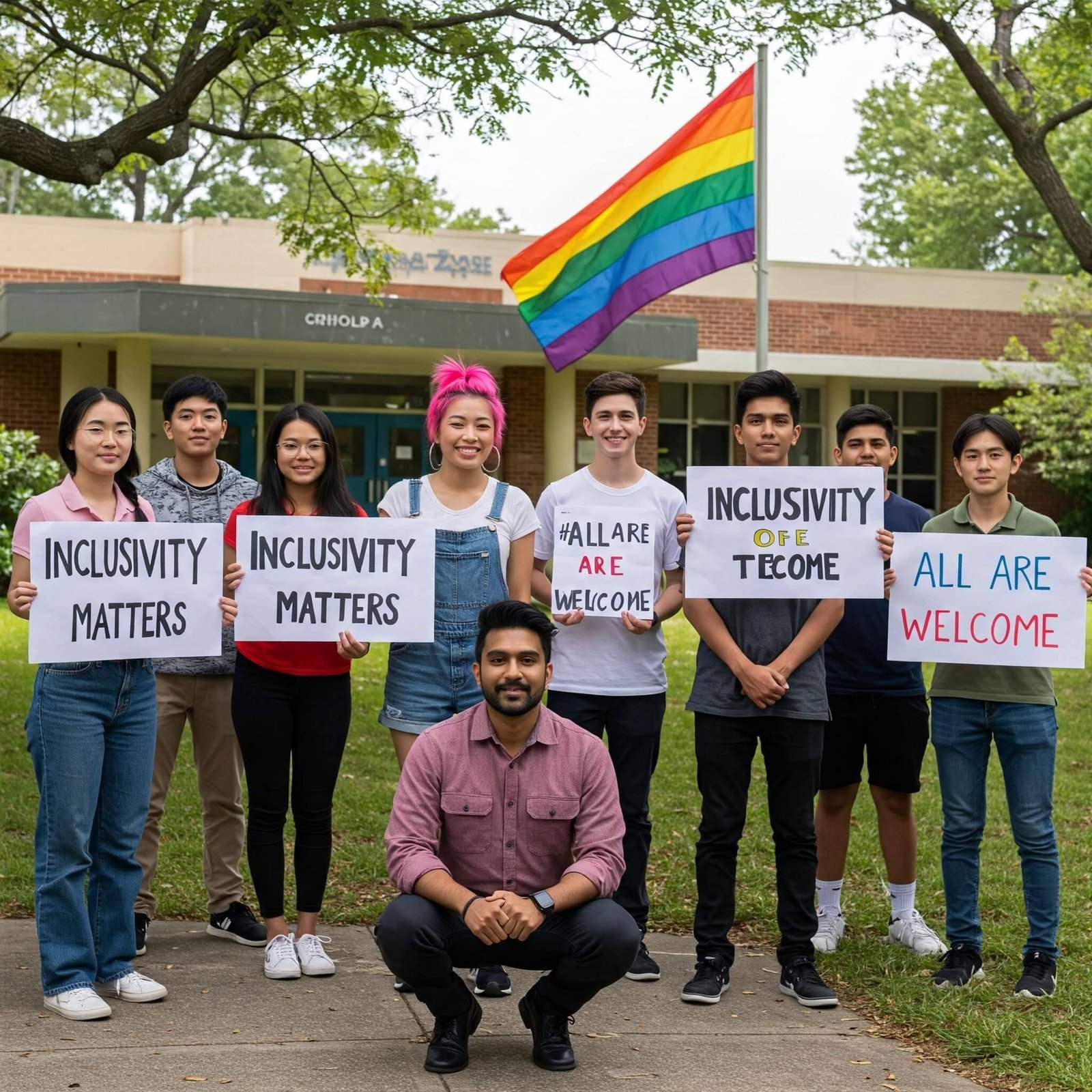
You know that feeling when you walk into a room and instantly know you belong? That’s what LGBTQ+ inclusivity in schools is all about—creating spaces where every kid, no matter who they love or how they identify, feels seen and supported. I’ve been writing about education for years, and let me tell you, the progress schools are making on this front is both inspiring and long overdue. But it’s not perfect—there’s still work to do, and I’ve got stories, insights, and programs to share that’ll show you what’s happening and how you can get involved.
When I was in high school (way back when flip phones were cool), there wasn’t much talk about supporting queer students. If you were different, you kept it quiet or faced whispers in the hallways. Fast forward to 2025, and schools are stepping up in ways I never imagined. From policy changes to student-led clubs, the push for LGBTQ+ inclusivity in schools is transforming education. Let’s dive into the programs making waves, the stories behind them, and what you can do to keep the momentum going.
Why LGBTQ+ Inclusivity in Schools Matters
Picture this: a 14-year-old kid, let’s call them Alex, nervously coming out as nonbinary to their best friend. Alex isn’t just worried about their friend’s reaction—they’re wondering if their school will have their back. Will teachers respect their pronouns? Will they feel safe in the locker room? These aren’t hypothetical questions; they’re real concerns for millions of LGBTQ+ students.
Data backs this up. According to a 2023 GLSEN National School Climate Survey, 59% of LGBTQ+ students felt unsafe at school due to their sexual orientation or gender identity. But here’s the flip side: schools with inclusive policies—like gender-neutral bathrooms or trained staff—saw a 20% drop in reported bullying. That’s not just a statistic; it’s a lifeline for kids like Alex.
So, why does LGBTQ+ inclusivity in schools matter? Because every kid deserves to learn without fear. Schools are where young people spend most of their time, shaping who they’ll become. If we get this right, we’re not just changing classrooms—we’re changing lives.
Groundbreaking Programs Driving LGBTQ+ Inclusivity in Schools
Let’s get to the good stuff: the programs making LGBTQ+ inclusivity in schools a reality. I’ve dug into some of the most impactful initiatives, from grassroots efforts to nationwide policies. These aren’t just feel-good ideas—they’re practical, scalable, and backed by real results.
1. Gender and Sexuality Alliances (GSAs): Student-Powered Safe Spaces
If you’ve never heard of a GSA, you’re missing out on one of the coolest things happening in schools today. Gender and Sexuality Alliances (or Gay-Straight Alliances, depending on the school) are student-led clubs that create safe spaces for LGBTQ+ students and allies. I remember visiting a high school in Oregon where the GSA wasn’t just a club—it was a movement. Kids organized pride events, hosted workshops, and even pushed for policy changes like inclusive dress codes.
- Why it works: GSAs give students a voice. They’re not waiting for adults to fix things; they’re leading the charge.
- Impact: Schools with active GSAs report a 15% increase in students feeling supported, per GLSEN’s data.
- Get involved: If your school doesn’t have a GSA, check out GLSEN’s guide to starting one.
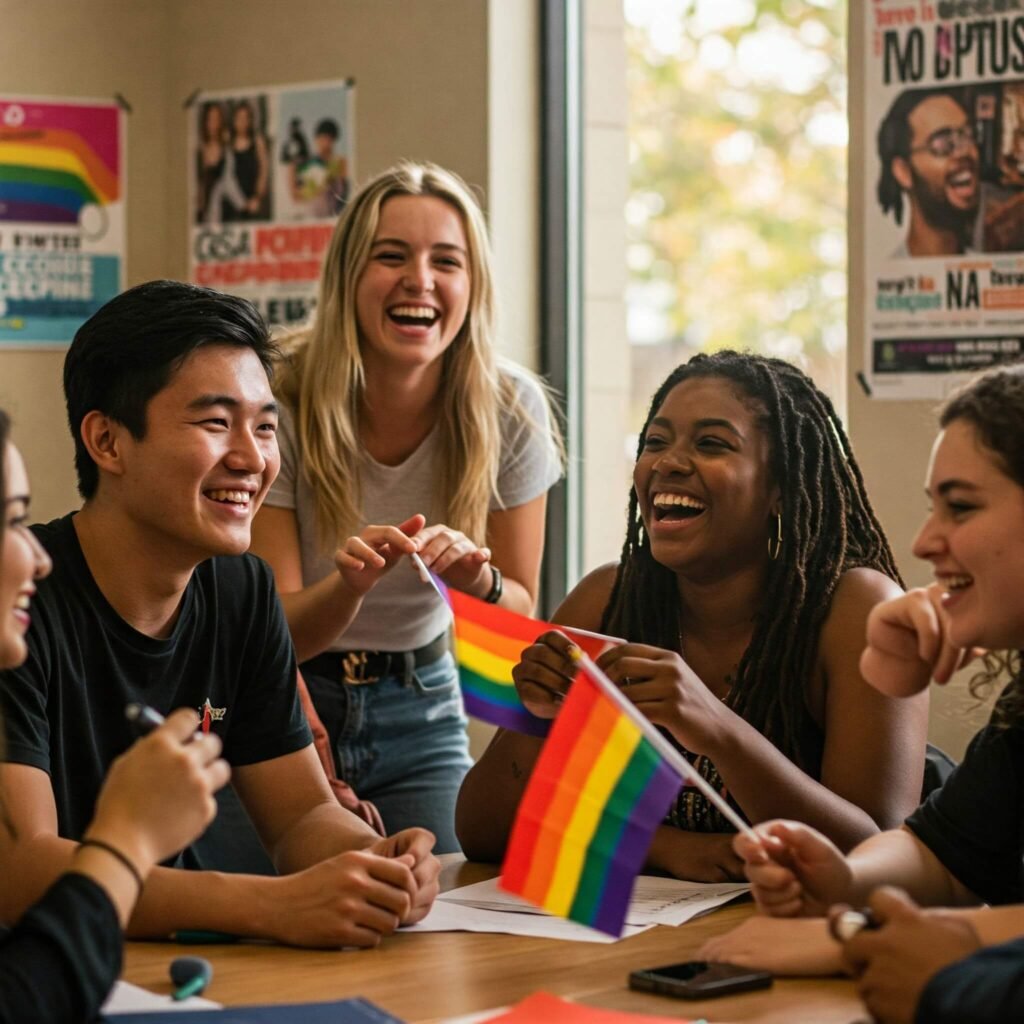
2. Teacher Training Programs: Equipping Educators to Support Queer Students
I’ll be honest—when I first started writing about education, I assumed teachers were naturally equipped to handle diversity. Boy, was I wrong. Many educators want to support LGBTQ+ students but don’t know where to start. That’s where teacher training programs come in.
Organizations like the Human Rights Campaign’s Welcoming Schools offer workshops on everything from using correct pronouns to addressing bullying. I spoke to a teacher in Chicago who said her training changed how she approached her classroom. “I used to avoid tough conversations,” she admitted. “Now, I’m confident calling out biased language and supporting my kids.”
- Key takeaway: Training isn’t about preaching; it’s about giving teachers tools to create inclusive classrooms.
- Pro tip: Advocate for your school district to partner with programs like Welcoming Schools or The Trevor Project.

3. Inclusive Curriculum: Seeing Yourself in the Classroom
Ever read a history book and wondered where you fit in? For LGBTQ+ students, that’s a common experience. But schools are starting to change the narrative by weaving queer history and perspectives into the curriculum. California, for instance, passed a law in 2011 mandating the inclusion of LGBTQ+ contributions in social studies. Other states are following suit, and it’s about time.
I visited a middle school in New Jersey where students were learning about Marsha P. Johnson, a trans activist who played a key role in the Stonewall Riots. The kids weren’t just memorizing facts—they were discussing identity, courage, and justice. One student told me, “It’s cool to know people like me have always been part of history.”
- Why it matters: An inclusive curriculum validates students’ identities and fosters empathy among peers.
- Action step: Push for your school to adopt resources from Teaching Tolerance to diversify lesson plans.

Overcoming Challenges in Building Inclusive Schools
Okay, let’s get real for a second. Creating LGBTQ+ inclusivity in schools isn’t all rainbows and success stories. There are hurdles—big ones. Some parents push back, worried that inclusive policies “go too far.” Others argue it’s a distraction from “real” education. I get it; change is scary. But here’s the thing: inclusivity doesn’t take away from anyone—it lifts everyone up.
Take the case of a small-town school in Texas I read about. When they introduced gender-neutral bathrooms, some community members protested. But the principal held town halls, shared data on bullying, and invited LGBTQ+ advocates to speak. Slowly, the tide turned. By the next year, bullying incidents dropped by 30%. That’s the power of persistence.
Common Challenges and How to Address Them
- Resistance from parents or staff: Host open forums and share data on the benefits of inclusivity.
- Lack of funding: Look for grants from organizations like It Gets Better to support programs.
- Policy gaps: Advocate for clear anti-discrimination policies that protect LGBTQ+ students.
What You Can Do to Support LGBTQ+ Inclusivity in Schools
Here’s where you come in. Whether you’re a parent, teacher, student, or just someone who cares, you’ve got a role to play. I’ve been in enough schools to know that change doesn’t happen because of one person—it’s a team effort. Here are some actionable steps to make LGBTQ+ inclusivity in schools a reality:
- Start a conversation: Talk to your school’s administration about adopting inclusive policies. Share resources like GLSEN or Welcoming Schools.
- Support student initiatives: Back GSAs or student-led pride events. Even a small donation for supplies can go a long way.
- Educate yourself: Read up on LGBTQ+ issues. Books like This Book Is Gay by Juno Dawson are great starting points.
- Be an ally: Call out bullying or biased language when you see it. It’s not always easy, but it’s always worth it.
Side note: I once mispronounced a student’s chosen name in a workshop I was leading. I felt awful, but the kid was so gracious about it. That taught me something—mistakes happen, but owning them and learning makes you a better ally.
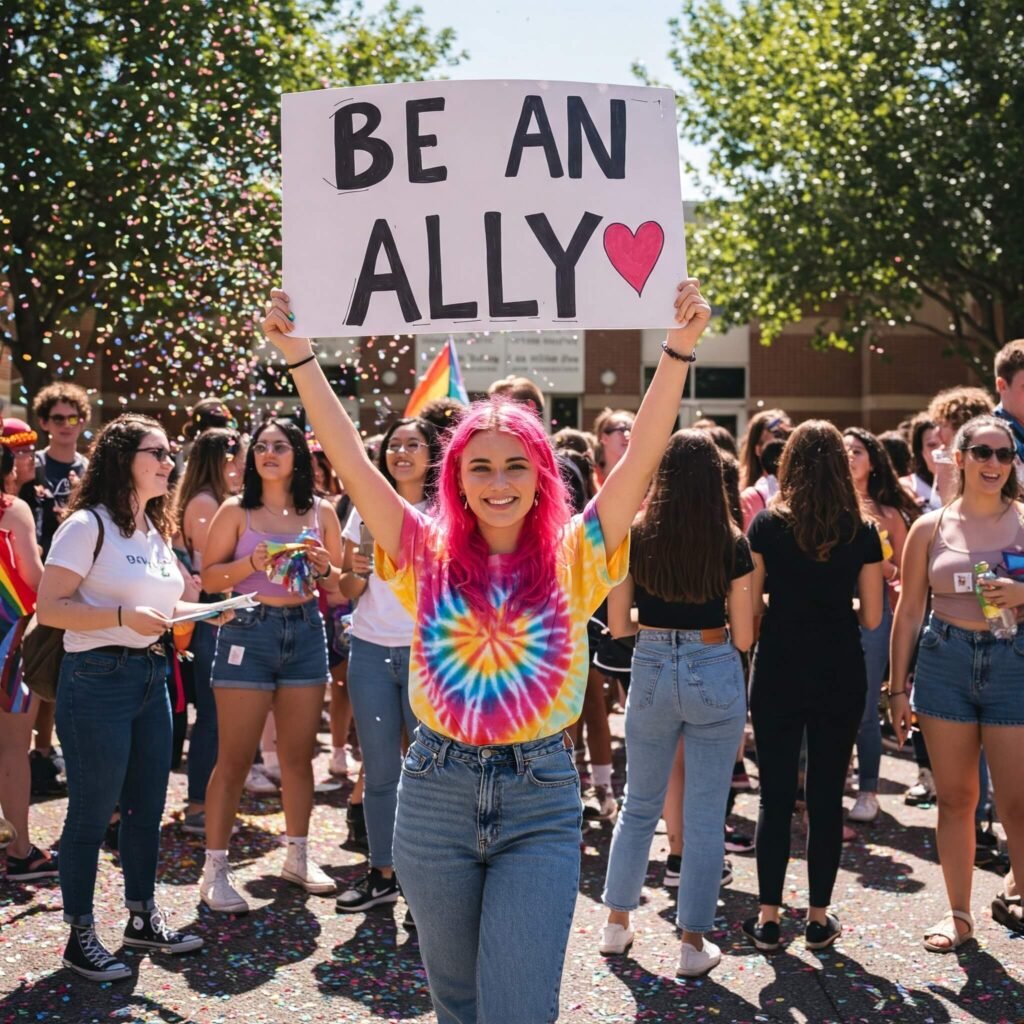
Looking Ahead: The Future of LGBTQ+ Inclusivity in Schools
So, where do we go from here? The future of LGBTQ+ inclusivity in schools is bright, but it’s not guaranteed. I’m optimistic because I’ve seen the passion of students, the dedication of teachers, and the courage of administrators who are willing to fight for what’s right. But it’s going to take all of us—yes, you too—to keep pushing.
Outbound Links and Their Purpose
- GLSEN’s Guide to Starting a GSA
- Human Rights Campaign’s Welcoming Schools
- The Trevor Project
- Teaching Tolerance (Learning for Justice)
- It Gets Better