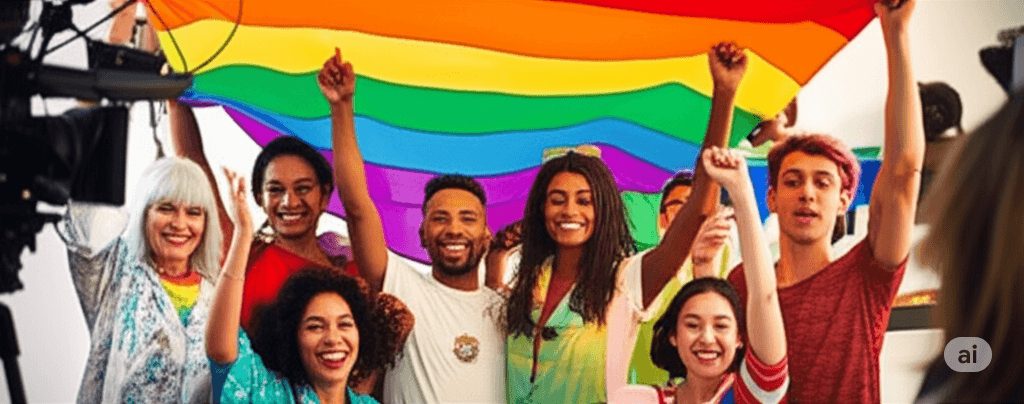
The landscape of LGBTQ+ representation in media is transforming rapidly, reflecting a broader cultural shift toward inclusivity. For instance, from groundbreaking TV shows to blockbuster films, media is increasingly showcasing queer stories and characters. But why does this evolution matter, and how is it shaping our worldview? Consequently, this blog dives into the progress, challenges, and significance of LGBTQ+ representation in media, offering insights and actionable takeaways for creators and audiences alike.

Why LGBTQ+ Representation in Media Matters
LGBTQ+ representation in media isn’t just about visibility; rather, it’s about creating a world where everyone feels seen and valued. Furthermore, authentic representation shapes perceptions, challenges stereotypes, and fosters empathy. For example, according to GLAAD’s 2023 Studio Responsibility Index, 28.5% of major studio films in 2022 included LGBTQ+ characters, a significant increase from a decade ago. As a result, this progress highlights the growing importance of diverse narratives.
The Power of Seeing Yourself on Screen
For LGBTQ+ individuals, seeing characters who share their identities can be transformative. Specifically, representation validates experiences and provides role models. For instance:
- Euphoria’s Rue and Jules offer raw, authentic portrayals of queer youth navigating identity.
- Meanwhile, Pose celebrates Black and Latinx trans women, highlighting their resilience.
- Moreover, a 2021 Trevor Project study found that 60% of LGBTQ+ youth felt more hopeful after seeing affirming media.
Breaking Down Stereotypes
Historically, LGBTQ+ representation in media relied on stereotypes, such as the “tragic gay” trope. However, today’s nuanced portrayals, like those in Heartstopper or Schitt’s Creek, challenge these outdated narratives. Consequently, these shows present queer characters as multidimensional, with joys and struggles alike.

How LGBTQ+ Representation in Media Is Evolving
The evolution of LGBTQ+ representation in media is driven by audience demands and industry shifts. Therefore, let’s explore key trends shaping this progress.
More Authentic Storytelling
Modern media is moving beyond tokenism toward authentic queer characters. For example, shows like The Last of Us feature LGBTQ+ leads whose identities are integral yet not their sole trait. Moreover, this shift reflects a demand for real-life experiences, as noted in Variety’s 2023 report on inclusive casting.
Increased Diversity Within Representation
Furthermore, LGBTQ+ representation in media now includes a broader spectrum of identities. For instance, nonbinary characters in Billions and asexual characters in BoJack Horseman are gaining visibility. As a result, this inclusivity ensures underrepresented groups, such as trans and BIPOC individuals, are seen.
Global Perspectives on Queer Stories
Globally, media is embracing LGBTQ+ representation. For example, India’s Badhaai Do and Brazil’s Queer Eye Brazil highlight cultural nuances while promoting universal themes of acceptance. Similarly, a BBC article on global queer cinema discusses this rise in diverse storytelling.

Challenges in Achieving Meaningful LGBTQ+ Representation
Despite progress, LGBTQ+ representation in media faces hurdles. Therefore, addressing these challenges is crucial for sustained growth.
Overcoming Tokenism
Tokenism—adding a single queer character for “diversity points”—remains an issue. For instance, Disney’s brief LGBTQ+ moment in Star Wars: The Rise of Skywalker was criticized for lacking depth. Consequently, meaningful representation requires more substance.
Battling Censorship and Backlash
In some regions, LGBTQ+ representation in media faces censorship. For example, Russia’s “gay propaganda” laws restrict queer content. As a result, advocacy from organizations like Human Rights Watch emphasizes the need for global protections.
The Need for Behind-the-Scenes Diversity
Authentic LGBTQ+ representation starts with diverse creators. However, UCLA’s 2022 Hollywood Diversity Report shows only 11% of TV writers are LGBTQ+. Therefore, hiring queer writers and directors is essential for authentic storytelling.
Why Inclusive Media Benefits Everyone
LGBTQ+ representation in media benefits society as a whole. Specifically:
- Fosters Empathy: For instance, exposure to diverse stories builds understanding.
- Drives Cultural Change: Moreover, media influences societal norms, promoting acceptance.
- Boosts Creativity: Additionally, diverse perspectives lead to innovative storytelling.
- Economic Impact: For example, Everything Everywhere All At Once grossed over $100 million globally, showing the appeal of inclusive content.
Actionable Takeaways for Creators and Audiences
To support LGBTQ+ representation in medias, consider these steps:
- Creators: For instance, write multidimensional queer characters and consult with LGBTQ+ communities.
- Audiences: Meanwhile, support inclusive media by watching queer-led projects.
- Advocates: Furthermore, push for diversity in hiring to amplify authentic voices.
- Educate Yourself: Finally, learn about representation challenges through resources like GLAAD’s Media Institute.
Looking Ahead: The Future of LGBTQ+ Representation in Media
The future of LGBTQ+ representations in media is promising but requires effort. For example:
- Interactive Media: Specifically, games like The Sims offer customizable queer characters.
- Streaming Platforms: Meanwhile, Netflix and Hulu invest in queer-led originals.
- Youth-Driven Content: Additionally, Gen Z’s demand for inclusivity shapes platforms like TikTok.
· Outbound links: